
Practice Area
Delaware Truck Accident Lawyer
After a truck crash in Wilmington or New Castle County, the evidence and the responsible parties can look different than a regular car accident. Here's what your family should do next.
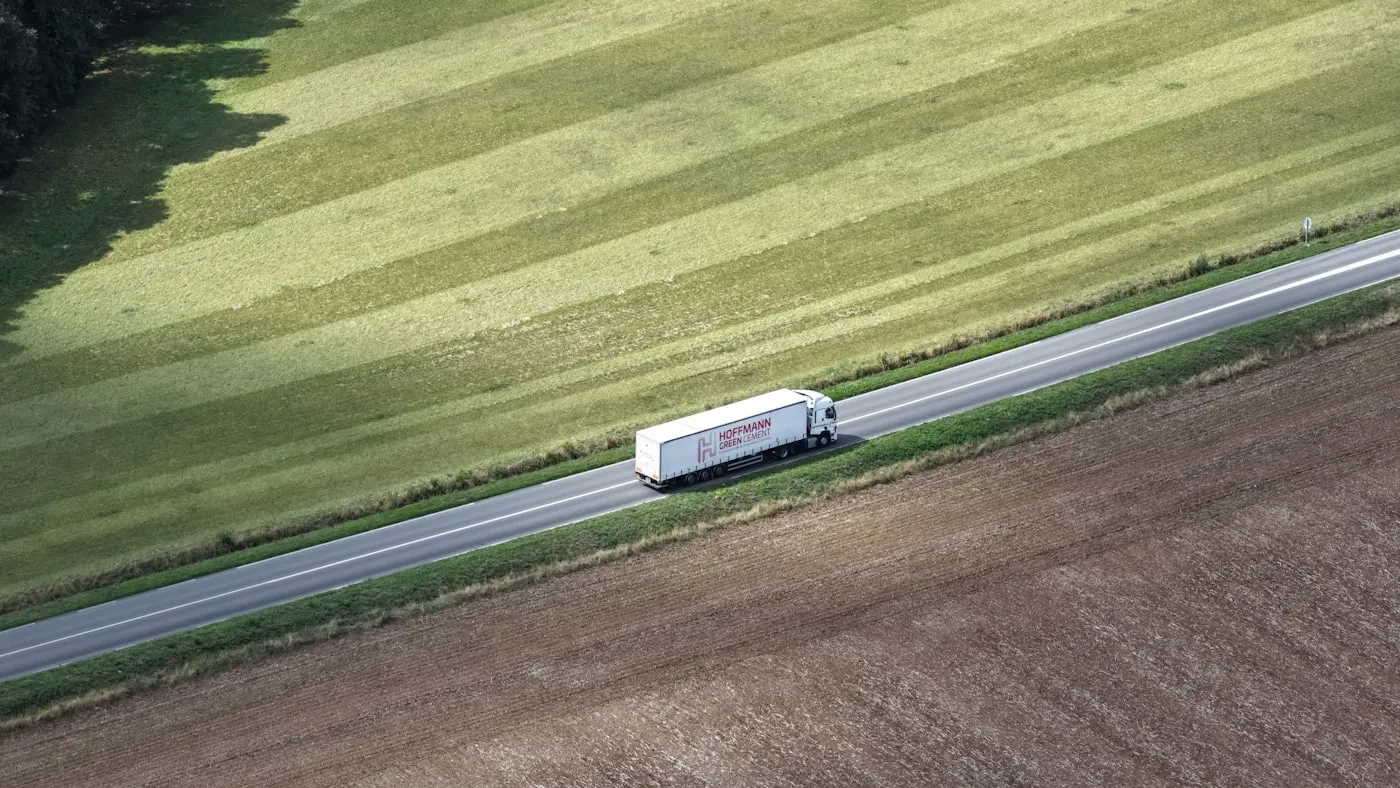
If you or someone you love was hurt in a crash with a commercial truck or semi-truck in Delaware, get medical care first. A Delaware truck accident claim can move differently than an ordinary car accident claim — more than one company can be involved, and important evidence can start disappearing within days. This page covers commercial-truck and semi-truck crashes specifically, including cases in Wilmington and New Castle County; for a car accident that did not involve a commercial vehicle, see our Delaware car accident page. Nothing here predicts the outcome of any individual case.
After a truck crash, get medical care, preserve photos and witness details, avoid giving a recorded statement before you understand your injuries, and speak with a Delaware injury lawyer promptly — important evidence can be lost within days.
What should I do after a truck accident in Delaware?
- Get medical care. Some injuries from a truck crash are not obvious right away. See a provider even if you feel able to walk away from the scene, and follow through on the treatment recommended.
- Make sure the crash is reported. Confirm a police or commercial-vehicle inspection report was taken, and get the report number if one exists.
- Preserve photos and video. Photograph the vehicles, the truck’s markings and DOT number, the road and weather conditions, and your visible injuries, if you are able. If anyone nearby recorded the scene, try to get a copy.
- Get witness and contact information. Names, phone numbers, and what each witness saw can be difficult to track down later.
- Be careful with insurer contact. It is reasonable to report the crash to your own insurer. Before giving a recorded statement to the trucking company’s insurer or signing anything from them, talk with a lawyer — an early statement can be used to characterize the crash before you know the full extent of your injuries.
For the broader set of general post-crash steps that also apply here — what to save and what a first conversation with us covers — see our Delaware Car Accident Guide.
Why truck accident cases are different from car accident cases
A Delaware truck-accident claim may involve more than the truck driver. Depending on the facts, responsibility can also involve the trucking company, the vehicle’s owner, a broker, a maintenance provider, or an insurer. A complex web of federal and state regulations governs the trucking industry, and a truck crash can involve more people and companies than a typical two-car accident:
- The driver. Fatigue, distraction, speeding, and hours-of-service violations are common issues in truck crashes.
- The trucking company or motor carrier. Hiring, training, supervision, and dispatch decisions can all become relevant.
- The owner of the truck or trailer, if different from the driver or the carrier.
- A broker, if one arranged the shipment and its role in selecting or overseeing the carrier becomes relevant.
- A maintenance provider, if poor upkeep of brakes, tires, or lights played a role.
- A shipper or loading company, if cargo was loaded improperly or exceeded safe weight limits.
- An insurer, since a commercial policy — and sometimes more than one — is often involved.
Because more than one party — and more than one insurance policy — can be involved, a truck crash claim usually requires more investigation than a standard car accident claim. Which parties are actually responsible depends on the facts and the evidence in your case; it is not something that can be assumed from the fact that a truck was involved.
Evidence that can disappear quickly
Commercial trucks and their operators generate records that an ordinary passenger vehicle does not. Depending on the crash, an attorney may seek to have preserved:
- Electronic logging device (ELD) and hours-of-service data
- Dispatch and trip records
- The truck’s onboard event-data-recorder (“black box”) information
- Maintenance and inspection records
- Dashcam or terminal camera footage
- Driver qualification and training files
Some of this information is routinely overwritten, recycled, or deleted on a schedule set by the company — not by any court. That is why a preservation letter is often sent early, putting the company on notice not to destroy records related to the crash. Whether preservation steps are appropriate, and what should be requested, depends on the facts of the case and is a decision for your attorney to make after reviewing the details with you.
Common injuries and losses in truck accident cases
The size and weight difference between a commercial truck and a passenger vehicle means the injuries are often more severe than in a typical car accident. Cases like these can involve:
- Traumatic brain injury
- Spinal cord injury and paralysis
- Broken bones and crush injuries
- Internal injuries
- Serious burns
- Wrongful death
Depending on the injury, damages that may be part of a claim can include medical treatment (past and future), lost income and earning capacity, pain and suffering, and the cost of long-term care. What a specific case may be worth depends entirely on its own facts, medical records, and evidence — we do not estimate value before that review, and no outcome is guaranteed.
Delaware-specific legal questions
Some of the questions families ask us most — how long you have to file a claim, how Delaware handles a driver who was partly at fault, and how a truck crash claim interacts with PIP or commercial insurance coverage — have answers that depend on the specific facts of the crash and current Delaware law. Rather than guess, ask us during your free consultation, and we will walk through what applies to your situation.
Should I talk to the trucking company’s insurer?
Be cautious. The trucking company’s insurer represents the trucking company’s interests, not yours. It is reasonable to decline a recorded statement, decline to sign a broad medical authorization, and decline any early settlement offer until you have talked with a lawyer — especially before you know the full scope of your injuries. This is true even if the adjuster is polite and prompt.
What a first call with Murphy & Landon covers
Murphy & Landon’s first conversation is for understanding what happened, what injuries are documented, and what should happen next; a consultation does not obligate you to hire the firm. We represent injured people and families — never trucking companies or insurers. Bring (or plan to gather) the crash report, any photos or video, insurance information, and a list of the medical providers you have seen so we can talk through your specific New Castle County or statewide Delaware fit. If your situation is broader than a truck-specific claim, our Delaware personal injury guide covers how we evaluate case fit generally.
Call 302-472-8100 or reach out to us online to get started. We handle these cases on a contingency basis — you pay no fees unless we recover for you.
This page is general information about Delaware truck accident claims. It does not predict the outcome of any case, does not identify who is at fault in any specific crash, and does not create an attorney-client relationship.